
The Future of Logistics: How AI is Redefining Transportation Management Systems

The logistics industry stands at a pivotal crossroads. Traditional Transportation Management Systems (TMS) that once revolutionized supply chains are now struggling to keep pace with the demands of modern commerce. Enter artificial intelligence – a transformative force that's not just improving logistics, but fundamentally redefining how goods move across the globe. At Quadrix, we've witnessed firsthand how AI-powered systems are turning logistics challenges into competitive advantages. The question is no longer whether AI will transform transportation management, but how quickly companies can adapt to this new reality. Those who embrace AI-driven logistics today will lead the industry tomorrow. The traditional approach to logistics management relied heavily on human expertise, historical data, and rule-based systems. While these methods served us well for decades, they simply cannot process the volume and complexity of data that modern supply chains generate. AI changes everything by introducing predictive intelligence, real-time optimization, and autonomous decision-making capabilities that were previously impossible.

The AI Advantage: Beyond Simple Automation** What sets AI-driven TMS apart from conventional systems isn't just automation – it's intelligence. Modern AI logistics platforms leverage machine learning algorithms that continuously improve their performance, adapting to changing conditions without human intervention. Consider route optimization: traditional systems calculate the shortest path based on static parameters. AI-powered systems, however, analyze thousands of variables in real-time – weather patterns, traffic conditions, fuel prices, driver availability, delivery time windows, and even customer behavior patterns. The result? Dynamic routing that saves time, reduces costs, and improves customer satisfaction simultaneously. Quadrix's AI platform goes even further by incorporating predictive maintenance algorithms. By analyzing vehicle telematics data, our system can predict mechanical failures before they occur, scheduling preventive maintenance during optimal windows and virtually eliminating costly breakdowns that disrupt delivery schedules. The impact is measurable: our clients report average fuel savings of 15-20%, delivery time improvements of 25%, and maintenance cost reductions of up to 30%. These aren't incremental improvements – they represent a fundamental shift in operational efficiency.
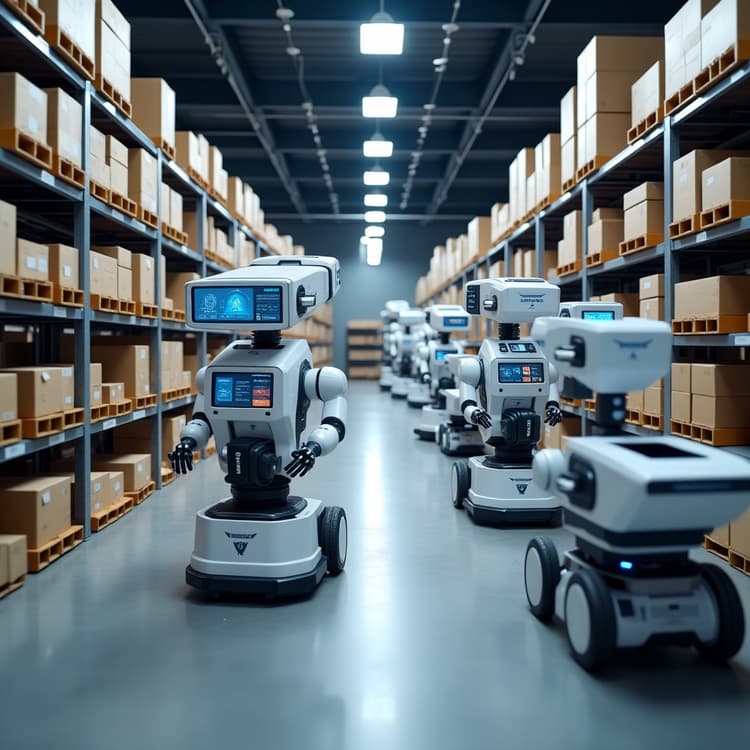
Predictive Intelligence: Seeing Around Corners** Perhaps the most transformative aspect of AI in logistics is its predictive capability. Traditional systems are reactive – they respond to problems after they occur. AI systems are proactive, identifying potential issues before they impact operations. Demand forecasting provides a perfect example. Legacy systems rely on historical trends and seasonal patterns. AI platforms analyze a much broader data set: economic indicators, social media trends, weather forecasts, local events, and even satellite imagery of retail parking lots. This comprehensive analysis enables accuracy levels that seemed impossible just a few years ago. At Quadrix, we've developed proprietary algorithms that predict demand fluctuations with 92% accuracy up to six weeks in advance. This foresight allows our clients to optimize inventory positioning, pre-allocate transportation resources, and adjust pricing strategies proactively rather than reactively. The ripple effects are profound. Reduced emergency shipments, fewer stockouts, lower inventory carrying costs, and improved customer service levels all contribute to healthier bottom lines and more sustainable operations.
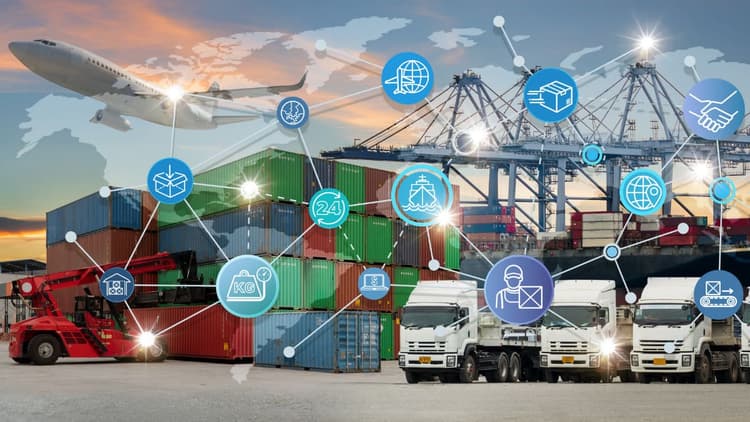
The Human-AI Partnership: Augmenting Expertise** A common misconception about AI in logistics is that it replaces human workers. The reality is far more nuanced and ultimately more powerful. AI doesn't replace logistics professionals – it amplifies their capabilities, allowing them to focus on strategic decisions while algorithms handle tactical execution. Consider a logistics coordinator managing a fleet of 200 vehicles. Traditionally, they might spend hours each day manually assigning loads, tracking shipments, and resolving exceptions. With AI assistance, these tactical tasks are automated, freeing the coordinator to focus on relationship building, strategic planning, and handling complex exceptions that truly require human judgment. Quadrix's platform is designed around this human-AI partnership. Our interface presents AI recommendations with full transparency into the reasoning behind each decision. Operators can accept, modify, or override suggestions, and the system learns from every interaction, becoming more aligned with business objectives over time. This collaborative approach delivers the best of both worlds: the pattern-recognition capabilities and processing power of AI combined with human intuition, ethical reasoning, and strategic thinking. The result is a logistics operation that's both highly efficient and adaptable to unique circumstances. """,
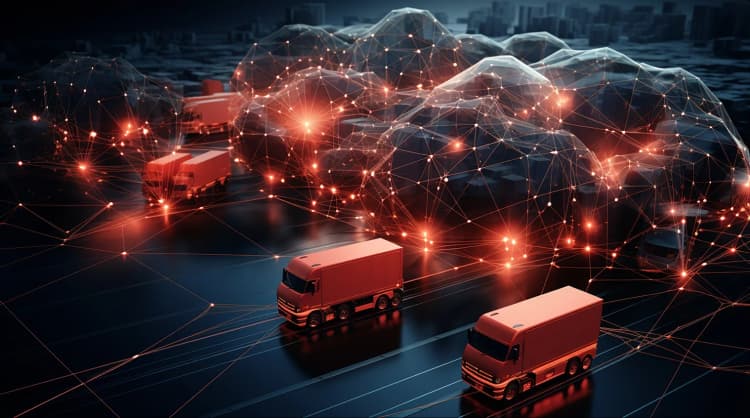
Sustainability Through Intelligence The logistics industry accounts for approximately 8% of global greenhouse gas emissions. As environmental concerns intensify and regulations tighten, sustainability is no longer optional – it's imperative. AI offers the most promising path toward sustainable logistics operations. Route optimization algorithms minimize fuel consumption by eliminating unnecessary miles. Load optimization ensures trucks operate at maximum capacity, reducing the number of vehicles needed. Predictive maintenance extends vehicle lifespans and reduces waste. Together, these AI-driven improvements can reduce carbon emissions by 20-30% while simultaneously cutting costs. Quadrix has made sustainability a core design principle. Our platform includes carbon tracking features that provide real-time visibility into environmental impact across every shipment. This transparency enables data-driven decisions that balance operational efficiency with environmental responsibility. Moreover, our AI algorithms can incorporate carbon costs into routing and modal selection decisions, automatically choosing lower-emission options when they align with business objectives. This embedded sustainability helps companies meet environmental goals without sacrificing competitiveness.

The Road Ahead: Embracing the AI Revolution The transformation of logistics through AI is not a distant future – it's happening now. Companies that delay adoption risk falling irreparably behind competitors who are already reaping the benefits of intelligent transportation management. However, successful AI implementation requires more than just technology adoption. It demands a strategic approach that considers data infrastructure, organizational readiness, and change management. The transition from legacy systems to AI-driven platforms represents both a technological and cultural shift. At Quadrix, we've guided hundreds of companies through this transformation. Our approach emphasizes phased implementation, comprehensive training, and continuous optimization. We don't just provide software – we partner with our clients to ensure they extract maximum value from AI capabilities. The future of logistics belongs to companies that can harness the power of artificial intelligence while maintaining the human expertise that has always been the industry's foundation. The question isn't whether your organization will adopt AI-driven logistics – it's whether you'll be a leader or a follower in this transformation. The revolution in transportation management is here. Quadrix is proud to be at the forefront, helping shape a future where logistics operations are more efficient, sustainable, and intelligent than ever before. Join us in redefining what's possible in transportation management.
